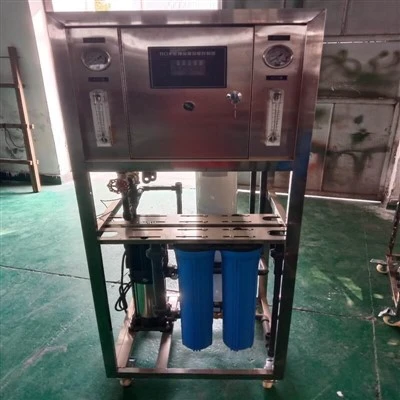
As a seasoned supplier of Commercial RO (Reverse Osmosis) Membranes, I’ve witnessed firsthand the pivotal role these membranes play in a wide range of industries, from beverage production to wastewater treatment. One of the most frequently asked questions by our clients is about the filtration efficiency of these membranes. In this blog, I’ll delve into the intricacies of RO membrane filtration efficiency, exploring the factors that influence it and why it matters for your business. Commercial RO Membrane
Understanding Filtration Efficiency
Filtration efficiency is a measure of how effectively an RO membrane can remove contaminants from water. It is typically expressed as a percentage, representing the proportion of contaminants that are retained by the membrane. For example, a filtration efficiency of 99% means that 99% of the contaminants in the feed water are removed, leaving only 1% in the permeate (the treated water).
The contaminants that RO membranes can remove include a wide range of substances, such as dissolved salts, organic compounds, bacteria, viruses, and other particulate matter. The ability to remove these contaminants is what makes RO membranes such a powerful tool for water purification.
Factors Affecting Filtration Efficiency
Several factors can influence the filtration efficiency of a Commercial RO Membrane. Understanding these factors is crucial for maximizing the performance of your RO system and ensuring that you are getting the most out of your investment.
Membrane Material and Structure
The material and structure of the RO membrane are the primary factors that determine its filtration efficiency. Most Commercial RO Membranes are made from thin-film composite (TFC) materials, which consist of a thin polyamide layer on top of a porous support layer. The polyamide layer is responsible for the separation of contaminants from the water, while the support layer provides mechanical strength to the membrane.
The pore size and surface properties of the polyamide layer also play a role in filtration efficiency. Smaller pore sizes generally result in higher filtration efficiency, as they can more effectively exclude smaller contaminants. However, smaller pore sizes can also lead to increased fouling and reduced flux (the rate at which water passes through the membrane).
Operating Conditions
The operating conditions of the RO system, such as pressure, temperature, and flow rate, can also affect the filtration efficiency of the membrane. Higher pressures generally result in higher filtration efficiency, as they force more water through the membrane and increase the contact time between the water and the membrane surface. However, excessive pressure can also damage the membrane and reduce its lifespan.
Temperature can also have an impact on filtration efficiency. Higher temperatures generally increase the flux of the membrane, but they can also reduce the filtration efficiency by altering the properties of the membrane material and increasing the solubility of contaminants.
The flow rate of the feed water can also affect the filtration efficiency. A higher flow rate can help to reduce fouling by keeping the membrane surface clean, but it can also reduce the contact time between the water and the membrane and decrease the filtration efficiency.
Feed Water Quality
The quality of the feed water is another important factor that can affect the filtration efficiency of the RO membrane. Feed water that contains high levels of suspended solids, organic matter, or other contaminants can cause fouling and scaling on the membrane surface, which can reduce the filtration efficiency and increase the pressure drop across the membrane.
To prevent fouling and scaling, it is important to pre-treat the feed water before it enters the RO system. This can include processes such as sedimentation, filtration, and disinfection to remove suspended solids, organic matter, and bacteria from the water.
Importance of Filtration Efficiency in Commercial Applications
The filtration efficiency of a Commercial RO Membrane is of utmost importance in a wide range of commercial applications. Here are some of the key reasons why:
Product Quality
In industries such as food and beverage production, pharmaceuticals, and electronics manufacturing, the quality of the water used in the production process is critical to the quality of the final product. RO membranes with high filtration efficiency can effectively remove contaminants from the water, ensuring that the water is pure and meets the strict quality standards required by these industries.
Cost Savings
Using an RO membrane with high filtration efficiency can also result in significant cost savings. By removing contaminants from the water at the source, RO membranes can reduce the need for expensive post-treatment processes and minimize the risk of equipment damage and downtime. This can lead to lower operating costs and increased productivity.
Environmental Sustainability
In addition to cost savings, using RO membranes with high filtration efficiency can also contribute to environmental sustainability. By reducing the amount of contaminants in the water, RO membranes can help to protect the environment and reduce the impact of industrial activities on water resources.
How to Choose the Right Commercial RO Membrane for Your Application
Choosing the right Commercial RO Membrane for your application is crucial for achieving optimal filtration efficiency and performance. Here are some key factors to consider when selecting an RO membrane:
Filtration Efficiency
The filtration efficiency of the membrane is one of the most important factors to consider. Look for a membrane that has a high rejection rate for the specific contaminants that you need to remove from the water.
Flux
The flux of the membrane is another important factor to consider. A higher flux means that more water can pass through the membrane in a given amount of time, which can increase the productivity of your RO system. However, a higher flux can also lead to increased fouling and reduced filtration efficiency.
Chemical Compatibility
The membrane must be compatible with the chemicals used in your RO system, such as cleaning agents and biocides. Make sure to choose a membrane that is resistant to the chemicals that you will be using to ensure its long-term performance and durability.
Surface Properties
The surface properties of the membrane can also affect its performance. Look for a membrane that has a smooth surface to reduce fouling and a high hydrophilicity to increase the flux and enhance the filtration efficiency.
Operating Conditions
The operating conditions of your RO system, such as pressure, temperature, and flow rate, can also affect the performance of the membrane. Make sure to choose a membrane that is designed to operate under the specific conditions of your system.
Conclusion
Hot Water RO Membrane Filtration efficiency is a critical aspect of Commercial RO Membrane performance. By understanding the factors that influence filtration efficiency and choosing the right membrane for your application, you can maximize the performance of your RO system, ensure the quality of your product, and achieve significant cost savings. At [your company], we are committed to providing high-quality Commercial RO Membranes that offer exceptional filtration efficiency and performance. If you have any questions or would like to learn more about our products, please don’t hesitate to contact us. We look forward to discussing your specific needs and helping you find the perfect solution for your RO application.
References
- Cheryan, M. (1998). Ultrafiltration Handbook. Technomic Publishing Company.
- Mulder, M. (1996). Basic Principles of Membrane Technology. Kluwer Academic Publishers.
- Porter, M. C. (1997). Handbook of Membrane Science and Technology. Marcel Dekker.
Fujian Huamo Technology Co., Ltd.
Fujian Huamo Technology Co., Ltd. is one of the most professional commercial ro membrane manufacturers and suppliers in China, featured by quality products and good service. Please rest assured to wholesale the best commercial ro membrane made in China here and get price list from our factory. Contact us for custom service and OEM service.
Address: No.6 Hengtong Rd, Shanmei Village, Xiamei Town, Nanan City, Fujian Province, China
E-mail: info@huaromembrane.com
WebSite: https://www.hmromembrane.com/
