If you’re in the market for new doors, chances are you’ve stumbled on PVC doors — they’re super popular right now, and for good reason. They’re cheap, low-maintenance, and hold up way better than a lot of people give them credit for. But if you’re a contractor, a property manager, or even a homeowner looking to upgrade a few rooms, one question probably bugs you: Are PVC doors available in different thicknesses? Let me break this down, because it’s not a one-size-fits-all answer, and as someone who’s been supplying these doors for years, I can tell you thickness matters way more than most people realize. PVC Door
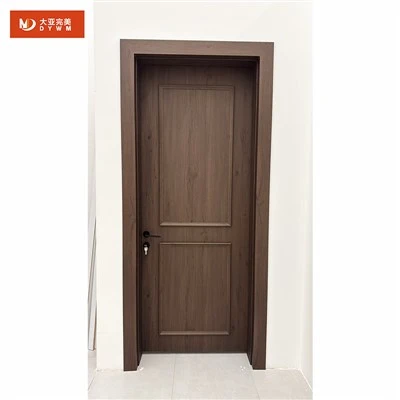
First off, let’s get what PVC doors even are straight — no stuffy definitions here. PVC (polyvinyl chloride) doors are made from rigid plastic, often with a hollow or foam core, depending on the type. They’re designed to mimic wood, metal, or even glass, but they’re lighter, resistant to rot (huge win for bathrooms and laundry rooms), and don’t warp or scratch as easily as solid wood. Now, thickness is basically the measurement of the door from front edge to back edge — right along the side you’d run your hand over. It might seem like a trivial detail, but skip getting the right thickness, and you’ll end up with a door that either doesn’t fit the frame right, sounds like a drum when you close it, or doesn’t offer the insulation you need.
So yeah, they totally do come in different thicknesses. Let’s talk about the most common ones first, because those are what you’ll find on shelves or in supplier catalogs. The thinnest you’ll see is around 30mm (that’s about 1.2 inches). These are the super lightweight ones, usually for interior doors like closets, linen closets, or pantry doors. Think about it: a closet door doesn’t need to block noise or keep temperature stable, so a thinner PVC door works just fine. It’s cheap, easy to install in existing frames, and doesn’t add unnecessary weight you have to haul up stairs. But don’t mistake thin for flimsy — good 30mm PVC doors have a foam core that keeps them rigid, so they won’t wobble when you push on them.
Next up is 35mm, which is the sweet spot for most interior doors — bedrooms, living rooms, kids’ rooms. This thickness gives a little more heft than 30mm, so it closes with a solid, quiet thud instead of a hollow clank. It also adds a bit of sound dampening, which is a big deal if you share a wall with someone (like a roommate, family member, or neighbor). A 35mm PVC door is thick enough to cover basic noise, and it still fits most standard interior door frames, which are usually built for that measurement. It’s also a middle-of-the-road price point, so it’s the go-to for most residential projects.
Then we get to the thicker ones: 40mm, 45mm, even 50mm for specific uses. These are the heavy-duty PVC doors, mostly for exterior use, utility rooms, or commercial spaces. Exterior doors need to stand up to wind, rain, cold, and heat, right? A thicker PVC door has a denser core — often solid foam or even a reinforced wood chip core — so it’s more durable, weather-resistant, and offers way better insulation. That means lower energy bills, because you’re not letting cool air escape in summer or warm air seep out in winter. For utility rooms or garages, a thicker PVC door can also block fumes or keep out dust, which is perfect if you’re storing tools or chemicals. Commercial spaces, like office break rooms or storage areas, usually go for 45mm or 50mm because they get way more foot traffic, and a thicker door won’t ding or get damaged as easily from constant opening and closing.
Wait, there’s a reason people might not know there are different thicknesses, right? A lot of big-box stores only stock a few standard sizes, but that’s because they’re catering to general homeowners. If you’re a contractor or someone with specific needs, you’ll need to work with a supplier who has access to custom thicknesses. I’ve seen so many people make the mistake of buying a 30mm closet door for a bedroom, and then complain it’s too thin and noisy. Or someone grabs a 50mm exterior door and tries to squeeze it into a 35mm frame, and then they have to trim the edges, which weakens the door.
Now, let’s talk about why thickness isn’t just a number — it affects performance in ways you might not expect. For one, security. A thinner door is way easier to kick in, right? PVC is strong, but a 30mm door has less material to resist force, so if you’re using a PVC door for an exterior entry or a back door, you’ll want a thicker one (at least 40mm) with reinforced hinges and a multi-point lock. I’ve had several customers who run rental properties tell me they switched to 40mm PVC entry doors because tenants were leaving entry doors ajar, and the thicker door held up way better to accidental bumps or forced entry attempts.
Then there’s insulation. PVC is an insulator on its own, but a thicker door means more insulation. That’s a big deal in places with extreme temperatures — if you’re in a cold climate, a 45mm exterior door will keep your home warmer than a 30mm one, and in a hot climate, it’ll keep cool air from escaping. I had a customer in Texas last year who switched all his exterior doors to 40mm PVC, and his energy bill dropped by 12% in the first six months. He couldn’t believe how much that small change made a difference.
Sound is another big factor. Thinner doors transmit way more noise — if your neighbor’s TV is blaring, or your kid’s playing video games, a 30mm door won’t do much to block that. A 40mm interior door for a home office, for example, will muffle sounds so you can work without distractions, or a 45mm door for a bedroom will keep the hall noise out at night. I always tell customers: if the space is for quiet work, sleep, or anything that needs privacy, go thicker. If it’s a closet or pantry, thin is fine.
But here’s the thing: you don’t have to guess. A good supplier will ask you questions about where the door is going — interior or exterior? What’s the space used for? Do you need insulation, sound dampening, or security? Then they can point you to the right thickness. I’ve had people come to me and say “I just want a PVC door” and I’ll walk them through the options: “If it’s for a kid’s bedroom, 35mm is perfect; if it’s for your back door, 40mm with a reinforced core is better.” It’s not rocket science, but it’s the difference between a door that works for you and one that you’ll end up replacing in a couple years.
Now, let’s clear up a common misconception: a thicker PVC door isn’t always better. Yeah, it’s more durable, but it’s also heavier. If you’re putting a thick door in a space that has a lightweight frame or thin hinges, you’ll need to upgrade the hardware to support the weight. I’ve seen people install a 50mm door on a standard interior frame, and the hinges start to sag within a month because they weren’t heavy-duty enough. So when you pick a thickness, you also have to factor in your frame and hardware. That’s another reason working with a supplier who knows their stuff is helpful — we’ll remind you of that so you don’t waste money on a door that doesn’t work with your setup.
Another point: custom sizes. If you have an unusual frame size, not only can you get a custom thickness, but you can get a custom thickness that fits your frame. A lot of older homes have non-standard door sizes, so a standard 35mm door might be too thick or too thin for your frame. I’ve made custom 32mm and 38mm PVC doors for old bungalows and apartments, and they fit perfectly without having to trim too much off the edges, which preserves the door’s integrity.
Wait, what about core type? Because that ties into thickness too. A 35mm door with a solid foam core is way sturdier than a 35mm door with a hollow core. So even if the thickness is the same, the material inside affects performance. But thickness is still a key piece — a thicker door with a hollow core will usually outperform a thinner door with a solid core, in terms of insulation and sound dampening. That’s why it’s important to look at both, but don’t sleep on thickness.
Let me give you a real example. Last quarter, I supplied doors for a small office renovation. They needed 6 interior doors: 2 for private offices, 2 for open workspaces, 2 for storage closets. The private offices got 40mm thick doors with a solid foam core — they needed privacy for meetings, so sound dampening was top priority. The open workspace doors were 35mm, since they just needed to section off the space without too much noise blocking. The storage closets got 30mm thin doors, which were cheap and easy to install. The customer came back a month later and said the office doors were way quieter than the old wooden ones they had before, and the storage doors worked perfectly. That’s exactly the kind of tailored use that thickness makes a huge difference in.
So if you’re in the market for PVC doors, don’t just buy the first one you see. Think about where it’s going, what you need it to do, and pick the right thickness for that. If you’re still not sure, reach out to a supplier who can walk you through the options. I’ve seen too many people cut corners on thickness and end up with doors that don’t meet their needs — whether it’s too noisy, too flimsy, or not fitting right.
As a PVC door supplier, I’ve worked with everything from 30mm closet doors to 50mm exterior commercial doors, and I can tell you that thickness is one of the most underrated factors when choosing a door. It’s not just a random number — it directly affects durability, insulation, sound control, and even how well the door fits and works with your space.

If you’re planning a renovation, upgrading your doors, or just have questions about the right thickness for your project, feel free to reach out to talk through your needs. We can help you pick the perfect PVC doors for your space, no matter what thickness you’re looking for.
Raised-relief Door References
- Building Research Establishment. (2021). Performance Characteristics of uPVC Doors for Residential Construction.
- National Institute of Building Sciences. (2022). Guide to Door Thickness and Installation Compatibility.
- PVC Industry Association. (2020). Technical Report on uPVC Door Core Materials and Thickness Specifications.
- U.S. Department of Energy. (2021). Energy Efficiency Benefits of Thicker Exterior Doors.
One May Dee Show Furniture Co., Ltd.
As one of the most professional PVC door manufacturers and suppliers in China, we are committed to providing high quality customized service with competitive price. Welcome to wholesale bulk cheap PVC door made in China here from our factory. If you have any enquiry about quotation, please feel free to email us.
Address: Laomiao Village, Dacheng Town, Sanyuan County, Xianyang City, Shaanxi Province, China.
E-mail: trade@omdoor.com
WebSite: https://www.dywmdoor.com/
