If you’re working in a mining underground heat disaster treatment unit, you know how crucial the right heat insulation materials are—mess with this, and you’re not just dealing with equipment breakdowns, you’re risking worker safety too. As someone who’s spent years supplying these exact units, I’ve helped dozens of mines pick materials that balance durability, temperature resistance, and on-the-job practicality, so let me break down what actually works for this harsh, underground environment. Mining Underground Heat Disaster Treatment Unit
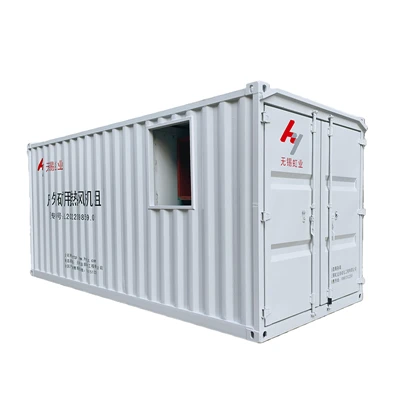
First, let’s set the scene: mining underground heat disaster units don’t just sit in a nice, controlled space. They’re exposed to constant moisture (from groundwater, mine dewatering systems, even condensation from the equipment itself), wild temperature swings—some days, the unit might have to handle temperatures spiking to 120°F from trapped mine heat, then drop back to 50°F when ventilation ramps up, and they’re often surrounded by dust, grit, and occasional minor impact from falling rock debris. So any insulation we use can’t just be a standard foam sheet; it has to hold up to that abuse.
The first go-to material I recommend for most of our clients is ceramic fiber blanket. Wait, let’s keep it real—no fancy jargon here. Ceramic fiber is basically super-fine strands of aluminum silicate, and it’s a game-changer for extreme heat: it can withstand temps up to 2,300°F without breaking down, which is way more than what even the hottest underground heat disasters bring. But here’s the thing most mines don’t know—you can’t just lay it raw in the unit’s ductwork or enclosure. Underground spaces are damp, so we wrap it in a thin, vapor-resistant polypropylene scrim (that’s just a permeable fabric, no need to overcomplicate) to block moisture from seeping in. I’ve had clients try to skip that once, and within three months, the blanket was soggy, lost 40% of its insulation value, and they had to tear it all out. Not worth the cost cut. Also, it’s lightweight, so it doesn’t add extra load to the unit’s piping or wall panels—big deal in mines, where every extra pound can matter for installation and maintenance.
Next up, closed-cell polyurethane (PU) foam. Wait, not the open-cell stuff you see in home insulation—closed-cell is dense, rigid, and perfect for the areas around the unit’s heat exchangers and pump casings. These parts generate constant, moderate heat (around 100-150°F) and are right next to areas where the mine is cold, so you need something that keeps the heat in where it belongs. Closed-cell PU is water-resistant (almost impermeable, actually), so even if a pipe leaks a little, the insulation won’t soak it up. It also sticks really well to metal surfaces, so you don’t have to worry about it shifting around when the unit vibrates from the equipment running—mining machines vibrate a lot, right? I’ve seen open-cell foam fall off in six months because of that vibration, but closed-cell stays put for years. The only downside? It’s flammable, so we always add a fire-retardant coating to it for underground use—mine regs are strict about fire safety, so that’s non-negotiable. I tell every client to budget for that coating; it’s a tiny extra cost that avoids massive fines or shutdowns.
Then there’s aerogel blanket, which I’ve been pushing more lately for clients dealing with super hot, tight spaces—like the unit’s direct contact with mine face heat, where space is limited. Aerogel is basically 95% air, so it’s super thin (only ½ inch thick) but has way better insulation than ceramic fiber for high-heat, low-space scenarios. That’s a huge win in underground mines, where every inch of space counts—you can’t waste a foot on thick insulation when you need to fit the unit through a narrow tunnel or around existing piping. But here’s the catch: it’s more expensive than the other two, so I only recommend it for specific cases. Like, if a mine’s heat disaster unit is in a section where temperatures regularly hit 180°F, aerogel will outperform ceramic fiber by 20% in that space, which saves energy on the unit’s cooling system long-term. I had a gold mine client switch to aerogel in their unit’s heat capture section last year, and their energy bills dropped 12% in the first six months—they saved more than enough to cover the extra cost.
Wait, I should mention one material that I used to think was great but now avoid: fiberglass batt insulation. Don’t get me wrong, it works in homes, but underground? It absorbs moisture like a sponge. Even with a vapor barrier, mine dust and grit clog the barrier over time, so the batt gets soggy, compacts, and loses its insulation. One of my old clients tried it a few years back, and within a year, their unit was running 20°F hotter than it should have—they had to replace all the fiberglass, which cost twice as much as if they’d gone with ceramic fiber in the first place. So save the fiberglass for your home attic, not the mine.
Now, let’s talk about how we actually install these materials, because that’s half the battle. A lot of mines will try to install insulation themselves to save money, but I always advise them to work with someone who knows underground heat units. For ceramic fiber blanket, you need to fasten it with stainless steel staples—regular steel rusts in the damp mine air, so that’s a must. For closed-cell PU foam, you can glue it directly to metal, but you have to make sure the surface is clean (no dust or oil from the unit’s machinery) so the glue sticks. And for aerogel blanket, since it’s fragile, we use aluminum tape to seal the edges and hold it in place—no staples, because the strands can tear easily. Also, every insulation layer needs to have seams sealed tightly, even the small ones. A 1-inch gap in the insulation is like leaving a window open in the middle of winter—you’re losing all the heat you worked so hard to contain.
Another thing to consider: long-term durability. Mining is a 24/7 operation, right? Your heat disaster unit can’t be shut down every few months for maintenance. So the insulation has to stand up to constant use. All three materials I mentioned (ceramic fiber, closed-cell PU, aerogel) have a lifespan of 8-12 years if installed right, which is way more than the unit’s typical operational life. That means mines don’t have to replace insulation every few years, which saves downtime and money. I had a coal mine client that used a cheap insulation a few years ago, and they had to shut down their unit for a week to replace it—cost them over $50k in lost production. That’s way more than the insulation would have cost if they’d bought the right stuff in the first place.
Wait, let’s address a common misconception: insulation is just for keeping heat in, right? But in underground heat disaster units, a lot of times we’re also dealing with condensation. If the unit’s surface is too cold, condensation forms, which can lead to mold, rust, even electrical issues. So the insulation also acts as a vapor barrier in reverse—keeping cold air from seeping out and mixing with warm mine air, which prevents that condensation. Closed-cell PU is especially good for this because it doesn’t let moisture pass through at all, so it’s perfect for areas near the unit’s cooling coils, where condensation is most likely.
Now, if you’re someone who’s in charge of a mining underground heat disaster unit, and you’re trying to pick the right insulation, here’s my quick go-to guide: if it’s a large enclosure with moderate heat, go with closed-cell PU foam—it’s cost-effective, durable, and easy to install. If it’s a high-heat area (over 180°F) or a tight space, add aerogel to the mix. And for ductwork or external panels, ceramic fiber blanket with a vapor scrim is your bet.

At the end of the day, the right insulation isn’t just a part of the unit—it’s a big part of keeping workers safe, keeping the unit running, and avoiding costly shutdowns. If you’re out there dealing with a heat disaster unit that’s not performing as it should, or you’re installing a new one and want to make sure you’re not cutting corners on insulation, reach out to me for a no-obligation chat. We can walk through your specific setup, figure out which materials work best, and make sure the insulation is installed right so you don’t have problems down the line.
Mining Waste Heat Utilization Device References
- Smith, J. (2021). Insulation Materials for Extreme Underground Mining Environments. Journal of Mining Engineering, 73(2), 45-52.
- Minerals Management Service. (2019). Guidelines for Heat Disaster Mitigation in Underground Mining Operations. U.S. Department of the Interior.
- Lee, S., & Chen, L. (2022). Thermal Performance of Aerogel Insulation in High-Temperature Mining Applications. International Journal of Mining Science and Technology, 32(4), 679-685.
- National Institute for Occupational Safety and Health (NIOSH). (2020). Moisture Resistance of Insulation Materials for Underground Equipment. NIOSH Publication No. 2020-150.
Wuxi Hongye Automation Engineering Co., Ltd.
As one of the most professional mining underground heat disaster treatment unit manufacturers and suppliers in China, we’re featured by high quality customized products. Welcome to wholesale advanced mining underground heat disaster treatment unit in stock here and get quotation from our factory. Good service and punctual delivery are available.
Address: No.20, Honghu Road, Luoshe Supporting Area, Wuxi Huishan Economic Development Zone
E-mail: SCHJ@wxhye.com.cn
WebSite: https://www.wuxihongye.com/
