Do I need to prepare the surface before applying waterproof coating? Waterproof Coating
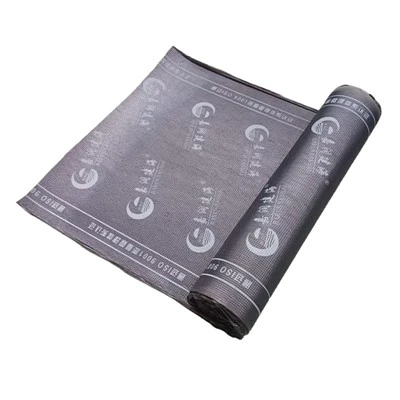
As a supplier of waterproof coating, I often encounter this question from customers: "Do I need to prepare the surface before applying waterproof coating?" The short answer is a resounding yes. Surface preparation is a crucial step that can significantly impact the performance and longevity of the waterproof coating. In this blog, I will delve into the reasons why surface preparation is essential, the steps involved in proper surface preparation, and the benefits of taking the time to do it right.
Why Surface Preparation is Essential
The effectiveness of waterproof coating relies heavily on its ability to adhere to the surface. If the surface is dirty, dusty, or uneven, the coating may not bond properly, leading to peeling, cracking, or blistering over time. This can compromise the waterproofing integrity of the coating and leave your surface vulnerable to water damage.
Surface preparation also helps to ensure that the coating can provide a smooth, uniform finish. Any imperfections on the surface, such as cracks, holes, or rough patches, can create weak points in the coating where water can penetrate. By preparing the surface, you can eliminate these imperfections and create a smooth, flat surface for the coating to adhere to.
Steps in Proper Surface Preparation
The specific steps involved in surface preparation will depend on the type of surface you are coating and the condition it is in. However, there are some general guidelines that apply to most surfaces:
1. Clean the Surface
The first step in surface preparation is to clean the surface thoroughly. This involves removing any dirt, dust, grease, oil, or other contaminants that may be present. You can use a variety of cleaning methods, depending on the type of surface and the extent of the contamination. For example, you can use a pressure washer to clean exterior surfaces, or a degreaser to clean oily or greasy surfaces.
2. Repair Any Damage
Once the surface is clean, you should inspect it for any damage, such as cracks, holes, or chips. These imperfections should be repaired before applying the waterproof coating. You can use a variety of repair materials, such as epoxy, mortar, or caulk, depending on the type of damage and the surface you are repairing.
3. Sand the Surface
Sanding the surface can help to create a rough texture that will improve the adhesion of the waterproof coating. You can use a variety of sanding tools, such as sandpaper, a sanding block, or a power sander, depending on the size and shape of the surface. Be sure to sand the surface evenly and to remove any dust or debris before applying the coating.
4. Prime the Surface
In some cases, it may be necessary to prime the surface before applying the waterproof coating. A primer can help to improve the adhesion of the coating and to provide an additional layer of protection against water damage. You can choose a primer that is specifically designed for the type of surface you are coating and the waterproof coating you are using.
Benefits of Proper Surface Preparation
Taking the time to prepare the surface before applying waterproof coating can provide several benefits, including:
1. Improved Adhesion
Proper surface preparation helps to ensure that the waterproof coating adheres to the surface properly. This can prevent the coating from peeling, cracking, or blistering over time, which can compromise the waterproofing integrity of the coating.
2. Enhanced Durability
A well-prepared surface can provide a smooth, uniform base for the waterproof coating, which can help to enhance its durability. The coating will be less likely to be damaged by abrasion, impact, or other types of wear and tear, which can extend its lifespan.
3. Better Performance
When the waterproof coating adheres to the surface properly and is applied to a smooth, uniform surface, it can provide better performance. The coating will be more effective at preventing water from penetrating the surface, which can protect your property from water damage.
4. Cost Savings
By taking the time to prepare the surface before applying waterproof coating, you can avoid costly repairs and replacements in the future. A well-prepared surface can help to ensure that the coating lasts longer and performs better, which can save you money in the long run.
Conclusion
In conclusion, surface preparation is a crucial step that should not be overlooked when applying waterproof coating. By cleaning the surface, repairing any damage, sanding the surface, and priming the surface (if necessary), you can ensure that the coating adheres to the surface properly and provides a smooth, uniform finish. This can improve the performance and longevity of the coating, enhance its durability, and save you money in the long run.
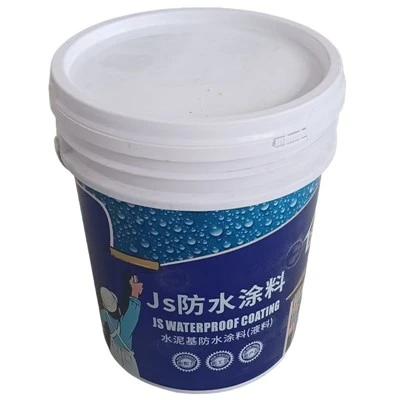
If you are considering applying waterproof coating to your surface, I encourage you to contact us to discuss your options. As a leading supplier of waterproof coating, we have the expertise and experience to help you choose the right coating for your needs and to provide you with the guidance and support you need to ensure a successful application. Contact us today to learn more about our products and services and to schedule a consultation.
Waterproof Membrane References
- ASTM International. "Standard Practice for Preparation of Concrete Surfaces for Coating." ASTM D4258-16.
- SSPC: The Society for Protective Coatings. "Surface Preparation Guide No. 1, Solvent Cleaning."
Dingzhou Jiarun Jianhai Waterproof Materials Co., Ltd.
As one of the most professional waterproof coating manufacturers and suppliers in China, we offer a wide range of products with superior quality. Please feel free to wholesale customized waterproof coating made in China here from our factory. Also, pricelist is available.
Address: Shijiatuan, Mingyuedian Town, Dingzhou City, Baoding City, Hebei Province
E-mail: Jrjh16888@163.com
WebSite: https://www.jrjhwp.com/
