As a seasoned supplier in the reaming machine domain, I’m often asked about the intricacies of different reaming processes. One of the most specialized and crucial operations is the reaming process for tapered holes in a reaming machine. In this blog, I’ll share in – depth knowledge about this specific process, drawing on years of experience and industry insights. Reaming Machine
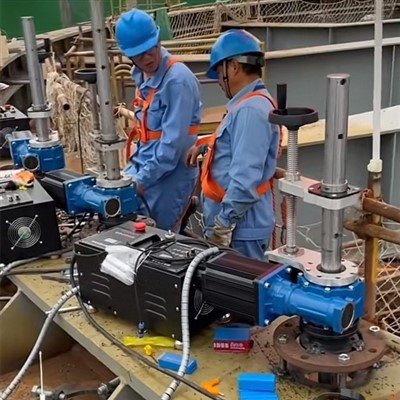
Understanding Tapered Holes and Their Importance
Tapered holes play a vital role in multiple industries, such as automotive, aerospace, and machinery manufacturing. They are designed to fit tapered components precisely, ensuring a secure and accurate connection. This kind of connection not only offers better alignment but also enhances the load – bearing capacity of the assembled parts. For instance, in the aerospace industry, tapered holes are used in critical engine components to ensure the proper fit of rotating parts, which is essential for the overall performance and safety of the aircraft.
Prerequisites for Tapered Hole Reaming
Machine Selection
First and foremost, the reaming machine must be carefully selected. It should have sufficient power and precision to handle the required tapering. Modern reaming machines are equipped with advanced control systems that allow for accurate adjustment of the reaming speed, feed rate, and depth. For our customers, we often recommend machines with variable – speed drives, as they provide greater flexibility during the reaming process.
Tool Preparation
Appropriate reaming tools are the key to achieving high – quality tapered holes. Tapered reamers come in different types, including hand reamers, machine reamers, and adjustable reamers. The choice of reamer depends on factors such as the size of the hole, the material being reamed, and the required tolerance. For example, when reaming holes in hard materials like stainless steel, carbide – tipped reamers are often preferred due to their high wear resistance and cutting performance.
Material Consideration
The material of the workpiece has a significant impact on the reaming process. Different materials have different hardness, ductility, and machinability. For soft materials like aluminum, a lower cutting speed and higher feed rate can be used to prevent the material from sticking to the reamer. In contrast, for hard materials like titanium, a higher cutting speed with a lower feed rate is often required to avoid excessive tool wear.
The Step – by – Step Reaming Process for Tapered Holes
Initial Drilling
The process usually starts with drilling a pilot hole. The diameter of the pilot hole should be carefully calculated to leave an appropriate amount of material for reaming. A general rule of thumb is to leave about 0.1 – 0.3 mm of material for reaming. This ensures that the reamer can effectively remove the remaining material and achieve the desired taper and surface finish.
Rough Reaming
After the pilot hole is drilled, rough reaming is carried out. The rough reamer is designed to remove the majority of the material quickly. During this stage, a relatively high feed rate can be used, but the cutting speed should be adjusted according to the material properties. For example, when rough reaming a tapered hole in cast iron, a feed rate of 0.1 – 0.2 mm/rev and a cutting speed of 20 – 30 m/min can be used.
Finish Reaming
Finish reaming is the final and most critical step in achieving a high – precision tapered hole. The finish reamer has a more accurate taper and better cutting edges. During this process, a lower feed rate and a moderate cutting speed are used to obtain a smooth surface finish and tight tolerance. For instance, for a finish reaming operation on a mild steel workpiece, a feed rate of 0.05 – 0.1 mm/rev and a cutting speed of 30 – 40 m/min can be applied.
Monitoring and Quality Control
Throughout the reaming process, it is crucial to monitor various parameters. This includes the cutting force, the temperature of the tool and workpiece, and the surface finish. Modern reaming machines are often equipped with sensors that can provide real – time feedback on these parameters.
Quality control is also an essential part of the process. After reaming, the tapered holes should be inspected using measuring tools such as taper gauges and micrometers. Any deviation from the required tolerance should be addressed immediately, either by adjusting the reaming parameters or replacing the reamer.
Common Challenges and Solutions
Tool Wear
Tool wear is a common problem in tapered hole reaming. It can lead to a decrease in the accuracy of the hole and a poor surface finish. To mitigate this issue, regular tool inspection and replacement are necessary. Additionally, using high – quality cutting fluids can help reduce friction and heat generation, thereby extending the tool life.
Chip Evacuation
Another challenge is chip evacuation. If chips are not properly removed from the hole during reaming, they can cause damage to the reamer and the workpiece surface. To ensure proper chip evacuation, proper chip breakers can be used on the reamer, and the cutting fluid can be delivered under high pressure to flush out the chips.
Taper Deviation
Taper deviation can occur due to various factors, such as improper machine setup or tool wear. To correct taper deviation, it is necessary to carefully check and adjust the machine settings. In some cases, a corrective reaming operation may be required.
Advantages of Our Reaming Machines for Tapered Hole Reaming
At our company, we take pride in offering reaming machines that are specifically designed for tapered hole reaming. Our machines feature advanced control systems that allow for precise adjustment of all reaming parameters. This ensures that our customers can achieve high – quality tapered holes with minimal deviation from the required tolerance.
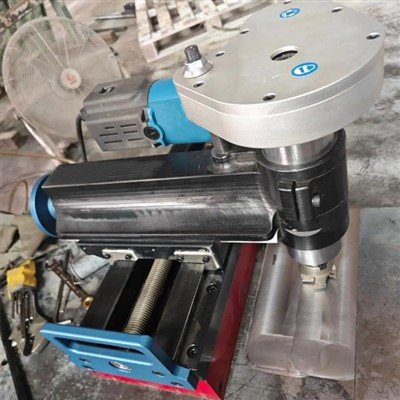
In addition, our reaming machines are equipped with state – of – the – art cutting tools and efficient cooling systems. The cutting tools are made from high – quality materials, which offer excellent wear resistance and cutting performance. The cooling systems help to reduce heat generation during reaming, thereby improving the tool life and the surface finish of the holes.
Boring Welding If you are in the market for a reliable and high – performance reaming machine for tapered hole reaming, we would be more than happy to discuss your specific needs. Our team of experts can provide you with detailed information about our products and offer customized solutions to meet your requirements. We invite you to contact us to start a conversation about procuring the best reaming machine for your business.
References
- Groover, M. P. (2010). Fundamentals of Modern Manufacturing: Materials, Processes, and Systems. John Wiley & Sons.
- Kalpakjian, S., & Schmid, S. R. (2014). Manufacturing Engineering and Technology. Pearson.
Shangqiu JDA Machinery Technology Co., Ltd.
With abundant experience, we are one of the most professional reaming machine manufacturers and suppliers in China. We warmly welcome you to buy cheap reaming machine for sale here from our factory. Quality products and reasonable price are available.
Address: No. 55 Pingyuan Middle Road, Liangyuan District, Shangqiu, Henan, China
E-mail: sales@jdamachines.com
WebSite: https://www.jdamachines.com/
